
When illness threatens to steal the sweetness from Jewish New Year celebrations, community support ensures no family faces the holidays alone.
Every year as Rosh Hashanah approaches, Jewish families worldwide prepare special symbolic foods called “simanim”—representing hopes and prayers for the coming year. But for Israeli families battling serious illness, maintaining these cherished Rosh Hashanah family traditions can become impossible.
The Sacred Tradition of Rosh Hashanah Simanim
Jewish New Year traditions center around symbolic foods that express wishes for sweetness, prosperity, and blessing. These traditional Rosh Hashanah foods include:
- Apples and honey – for a sweet new year
- Pomegranates – may our merits multiply like seeds
- Black-eyed peas – may we flourish and grow
- Beets (selek) – may difficulties be removed
- Head of fish or lamb – may we lead, not follow
For many Israeli families, these aren’t just token tastings—they become elaborate holiday meals prepared with recipes passed down through generations.
When Medical Crisis Threatens Holiday Traditions
Behind one small door in Israel lives Sarit, a mother whose Rosh Hashanah family traditions nearly disappeared when illness struck. For six years, she endured excruciating pain that doctors dismissed as anxiety. Finally, an MRI revealed a nine-centimeter spinal tumor requiring emergency surgery.
Suddenly, Sarit couldn’t walk, care for her five children, or prepare the elaborate Jewish holiday meals that had defined their family celebrations.
“I couldn’t prepare anything for my children,” Sarit recalls. “The holidays felt empty.”
Her story represents thousands of Israeli families facing medical crisis who watch treasured traditions slip away during their darkest moments.
Israeli Charity Support Restores Holiday Joy
When Or Lacholeh, a leading Israeli charity supporting sick families, learned about Sarit’s situation, they provided comprehensive support not only on Rosh Hashanah, but throughout the year, that went far beyond basic assistance:
Immediate Holiday Relief for Israeli Families
- Food vouchers enabling dignified holiday grocery shopping
- Clothing vouchers for special Rosh Hashanah outfits
- Hot meals replacing impossible cooking tasks
- Holiday packages bringing excitement back to children
Long-term Family Support During Medical Crisis
- Hospital distribution bags with thoughtful gifts
- Educational materials that taught Sarit’s children to read
- Household help managing daily tasks
- Emotional support ensuring families don’t face illness alone
“Those packages taught my kids to read and brought excitement back into our home,” Sarit explains. “They meant we weren’t forgotten.”
Preserving Traditional Rosh Hashanah Recipes Through Crisis
Before her illness, Sarit’s family maintained elaborate Jewish New Year traditions through her mother-in-law’s authentic recipes. These traditional Israeli holiday foods represent more than nutrition—they transmit values and connections across generations.
Traditional Sheep Head Meat Stew (Serves 6-8)
This authentic Sephardic Rosh Hashanah tradition and recipe comes from Jewish communities of Middle Eastern and North African origins
Ingredients for this traditional Sephardic Rosh Hashanah recipe:
- 2-3 lbs clean head meat, cubed
- 4-5 bay leaves
- 1 medium onion, diced
- 3-4 ripe tomatoes, peeled and sliced
- Seasonal vegetables: carrots, zucchini, or pumpkin
- 1 cup black-eyed peas
- Moroccan paprika and coarse salt
Method:
- Wash meat thoroughly, boil with bay leaves, then drain for cleaner broth
- Sauté onions until golden, add tomatoes and seasonings
- Add meat, cover with boiling water, cook 1.5-2 hours until tender
- Add vegetables when meat softens, cook until done
- Pre-cook black-eyed peas separately, add for final 15 minutes
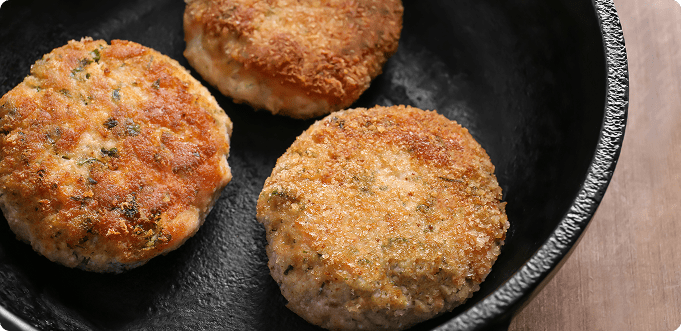
Symbolic Beet Fritters (Selek) – Makes 12
Traditional Jewish New Year recipe ingredients:
- 1 bunch fresh beets with leaves
- 2 medium potatoes, mashed
- 1 onion, diced
- 2 eggs, breadcrumbs, oil for frying
Method:
- Separate beet stems from leaves, dice both
- Sauté onion, add stems first, then leaves until wilted
- Mix with mashed potatoes, eggs, breadcrumbs, seasonings
- Form patties, fry until golden on both sides
Community Support Ensures No Family Loses Their Traditions
For Israeli families experiencing medical emergencies, preparing elaborate Rosh Hashanah meals becomes impossible. Or Lacholeh’s comprehensive holiday support ensures traditions continue even when families can’t manage alone.
“To me, it means I don’t have to carry this alone,” Sarit reflects. “There’s someone who cares that I’m still trying to be a mother, even if I can’t do everything.”
How Your Support Transforms Rosh Hashanah for Israeli Families
This Rosh Hashanah, 300+ Israeli families battling serious illness need community support to maintain their Jewish holiday traditions. Or Lacholeh provides:
- Holiday food packages ensuring festive meals
- Clothing assistance for new Rosh Hashanah outfits
- Special activities bringing joy to children during medical crisis
- Emotional support preserving family dignity during impossible times
Your donation to Or Lacholeh ensures no Israeli family faces Rosh Hashanah alone.
Whether your family maintains elaborate preparations like these traditional recipes or celebrates with simpler customs, the simanim remind us that Rosh Hashanah represents renewal, hope, and sweet possibilities each new year brings.
Support ensures that families facing medical crises can still taste the sweetness of tradition, even when they can’t prepare it themselves.
Make This Rosh Hashanah Sweet for Israeli Families in Crisis
[DONATE NOW – Help 300+ Families Celebrate Rosh Hashanah]
L’Shana Tova – may your new year overflow with sweetness, and may you bring that sweetness to Israeli families who need it most.